

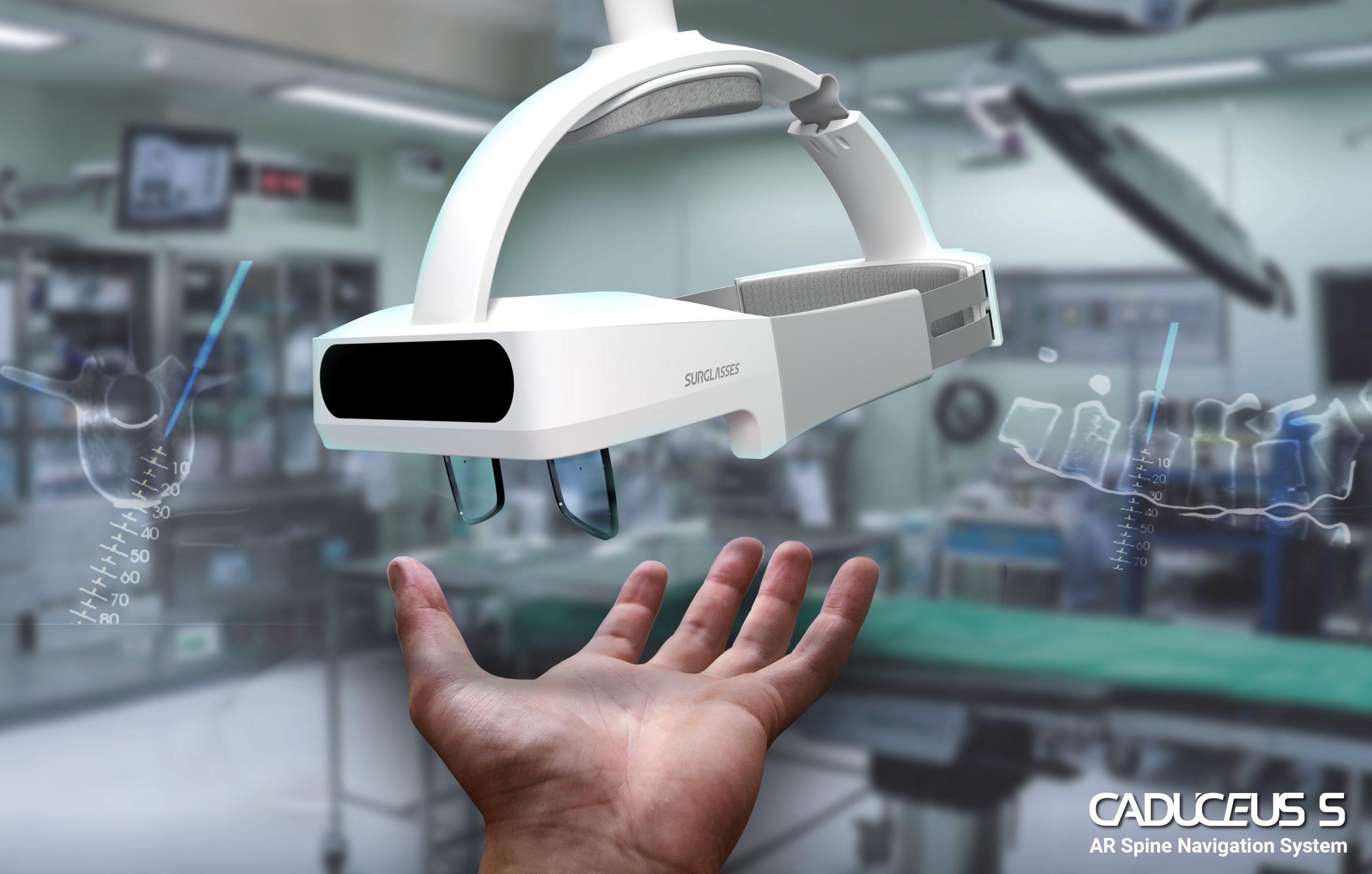

Augmented Reality, Robotic Assistance, and Regenerative Medicine at the Forefront
With continuous advancements in medical technology, research in spinal surgery is rapidly evolving. Here are some of the latest developments and technologies that are bringing new possibilities and better outcomes to spinal surgery.
1. Augmented Reality (AR) Technology
Augmented reality technology has been introduced into spinal surgery for surgical navigation. This technology provides real-time three-dimensional images, helping surgeons to locate and operate more accurately, reducing surgical risks and increasing the success rate. Recent studies have shown that AR technology can reduce surgery time and complications, significantly improving patient recovery outcomes.
2. Robotic-Assisted Surgery
The application of robotic-assisted technology in spinal surgery is becoming more widespread. This technology, through high-precision robotic arms, helps doctors perform more precise operations, especially in minimally invasive surgeries, reducing damage to surrounding tissues and accelerating patient recovery. Robotic-assisted surgery also reduces the physical strain on surgeons and improves the consistency and accuracy of surgeries.
3. Regenerative Medicine
Advances in regenerative medicine offer new hope for spinal surgery. Research indicates that stem cell therapy and tissue engineering technologies can be used to repair and regenerate damaged spinal tissues, which helps reduce postoperative complications and improve treatment outcomes. Stem cell therapy has shown significant potential in treating degenerative spinal diseases, effectively enhancing patients’ quality of life.
4. Personalized Medicine
The development of genetic testing and molecular diagnostics has made personalized medicine possible. By analyzing the patient’s genetic information, doctors can devise more precise surgical plans, improving treatment efficacy and reducing postoperative risks. Personalized medicine can also predict patients’ responses to different treatments, allowing for the selection of the most suitable treatment plans.
5. Biomaterials
The development of new biomaterials is also being applied in spinal surgery. These materials, with good biocompatibility, can be used for spinal implants, aiding bone growth and fusion, and reducing the risk of rejection and infection. In recent years, the application of biomaterials in spinal fusion surgery has made significant progress, improving the success rate of surgeries and patient satisfaction.
6. 3D Printing Technology
3D printing technology in spinal surgery is also rapidly growing. This technology can be used to create personalized implants and surgical guides, enhancing the precision and outcomes of surgeries. 3D printing technology can also be used to simulate surgical procedures, helping surgeons better prepare for surgeries, thereby improving the safety and success rate of operations.
7. Neurostimulation Technology
Neurostimulation technology is another rapidly developing field. This technology can modulate spinal nerve activity through electrical or chemical stimulation, helping to alleviate pain and improve function. Neurostimulation technology has shown good results in chronic pain management, offering patients a non-invasive and effective treatment option.
8. AI-Based Diagnostics and Treatment
Artificial intelligence technology in spinal surgery is also rapidly growing. AI-based diagnostic and treatment systems can analyze large amounts of medical data to help doctors make more accurate diagnoses and treatment decisions. These systems can also be used for postoperative monitoring and management, improving patient recovery outcomes and quality of life.
Conclusion
With these technological advancements, the safety and effectiveness of spinal surgery are continuously improving. In the future, as more research is conducted and new technologies are applied, spinal surgery will become more precise and effective, providing better treatment options for patients. These developments not only transform the landscape of spinal surgery but also bring new hope and possibilities for patients.