

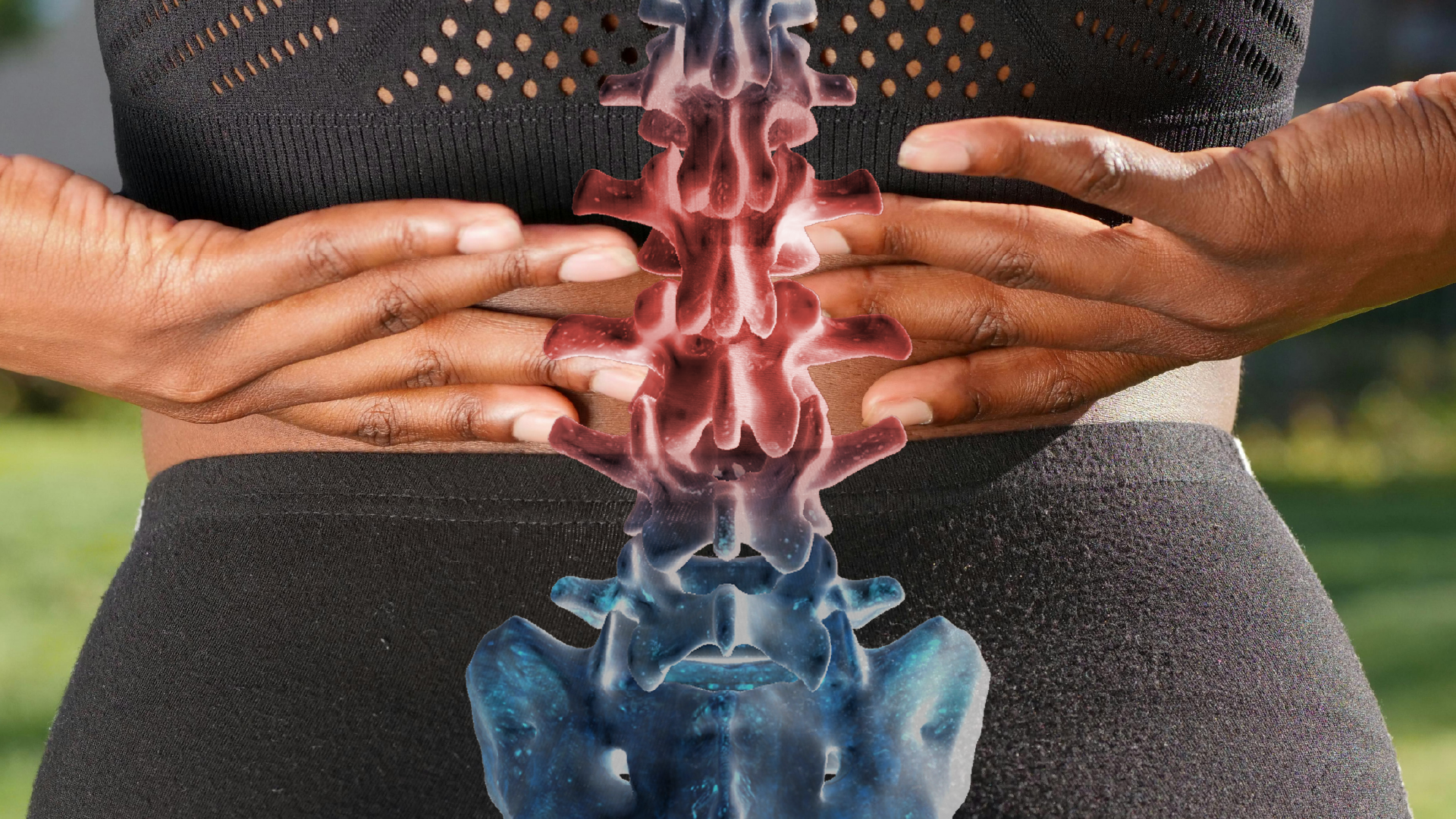

Will I become paralyzed after spinal surgery?
Most patients who seek treatment for spinal problems often hesitate due to the fear of potential paralysis or disability after surgery. This hesitation might cause them to delay seeking clinical help, thereby missing the golden opportunity for treating spinal conditions. Many patients initially opt for traditional Chinese medicine, rehabilitation, or chiropractic therapy, but these methods might not effectively relieve the pressure on compressed nerves. From an anatomical perspective, the optimal solution for nerve compression is surgical decompression and stabilization. Non-surgical treatments cannot adequately address nerve compression. When comparing the risks and benefits of surgery, the benefits outweigh the risks by at least 20 to 1. Prolonged nerve compression can lead to irreversible nerve damage, muscle atrophy, and even paralysis. Non-surgical treatments also carry risks, such as nerve injury from traction or worsening of spinal conditions from chiropractic manipulation. Traditional remedies like cupping or herbal treatments can cause skin burns or allergic reactions. In reality, spinal surgery in orthopedic or neurosurgical fields is very safe. For common conditions like lumbar disc herniation causing sciatica, the risk of life-threatening complications is extremely low, and the chance of paralysis is minimal. Other complications like wound infection, nerve damage, or weakness occur in less than 5% of cases and are often reversible. Importantly, non-surgical treatments like traction have limited efficacy for conditions like disc herniation or bone spurs. Claims of medications that dissolve bone spurs are often unfounded.
The required surgery time
In recent years, spine surgery in Taiwan has advanced significantly with the assistance of various technological devices, making it quite safe. Typically, after cervical spine surgery, patients can get out of bed and be discharged from the hospital in about 3 to 5 days. For thoracolumbar spine surgery, patients can usually be discharged in about 7 to 10 days, and blood transfusion is generally not required. We even see outpatient surgeries for spine-related procedures internationally, where patients do not need to be hospitalized. For conditions like fractures or slippage, there are internal fixation devices made of materials like PEEK or titanium alloy that help stabilize the spine, allowing patients to resume activities earlier post-surgery without needing caregiver assistance or prolonged bed rest. However, in cases of spinal tumors or accidents resulting in spinal cord injury and paralysis, emergency surgery within about two days still offers a chance for recovery. Taiwan's spine surgery equipment and implants are quite comprehensive, including both domestic and imported materials, surgical navigation systems, microscopes, or endoscopic-assisted procedures. With good visibility during surgery, the operating surgeon can clearly see the condition of nerves and the compressed spine, carefully performing decompression and fixation procedures without risking damage to surrounding nerves or blood vessels.
Surgical operation
After a successful diagnosis and spinal surgery by a qualified surgeon, the cartilage and bone spurs should be thoroughly removed, making it less likely for spinal bone spurs to recur. Unless the patient returns to their work duties post-surgery and continues to lift heavy objects for prolonged periods or maintains poor posture, leading to new injuries to the spine above or below the surgical area, causing a recurrence of bone spurs or disc protrusion. Theoretically, such occurrences outside the surgical area cannot be considered a recurrence but rather disc protrusion or bone spurs in different spinal joint sites. The surgeon performing the surgery is the key determinant of the success of spinal surgery. Despite advancements in technology making spinal surgery less challenging, there are still inherent surgical risks, underscoring the importance of choosing a surgeon carefully.
Article dated December 11, 2022 Written by: Yeh Guang-Ting Photography by: Hualien Tzu Chi Operating Room